SEPARATION · DEWATERING

Multi-Screw
Press

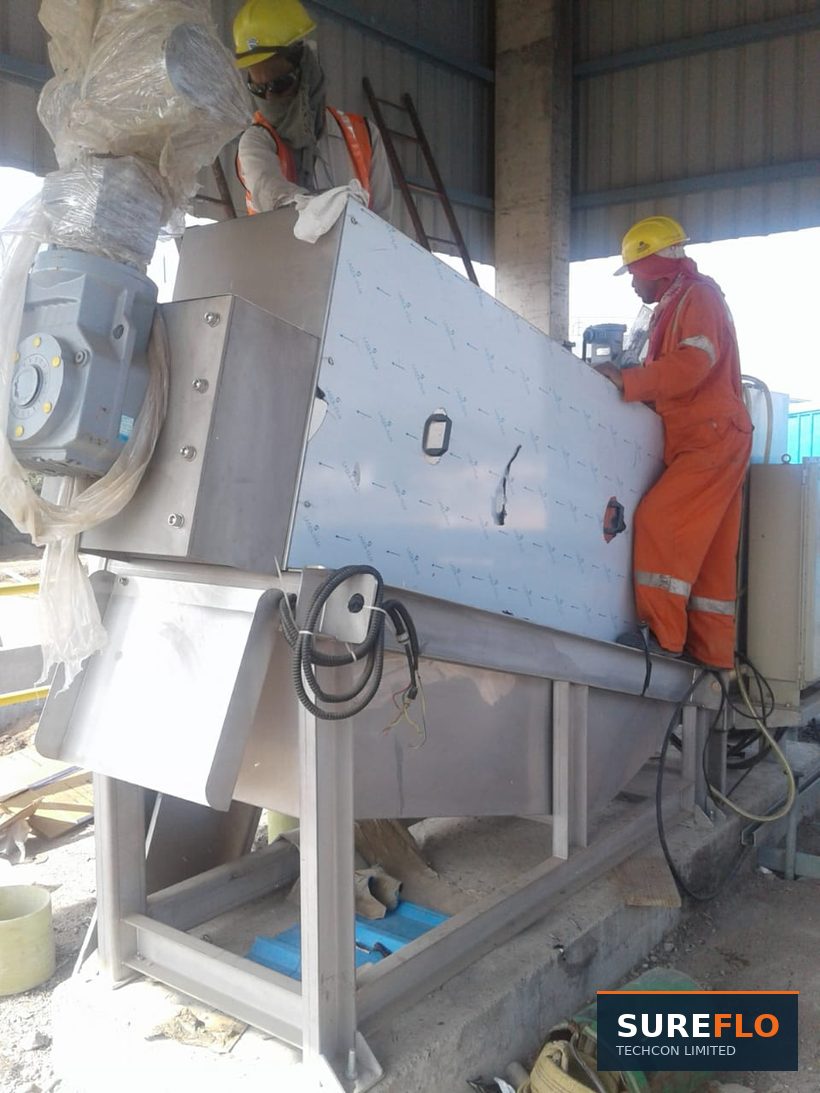
A low-speed, low-energy dewatering press built for oily sludge — with flocculation, conditioning, dewatering and filtrate collection integrated into one closed unit.
4-in-1

Conditioning, thickening, dewatering & filtrate

0

Separate sludge thickener required

Low

Energy draw — low-speed operation

Auto

Continuous unattended running

4-in-1

Conditioning, thickening, dewatering & filtrate

0

Separate sludge thickener required

Low

Energy draw — low-speed operation

Auto

Continuous unattended running

MULTI-SCREW PRESS UNIT

WHAT IT IS

ONE MACHINE,
THE WHOLE TRAIN

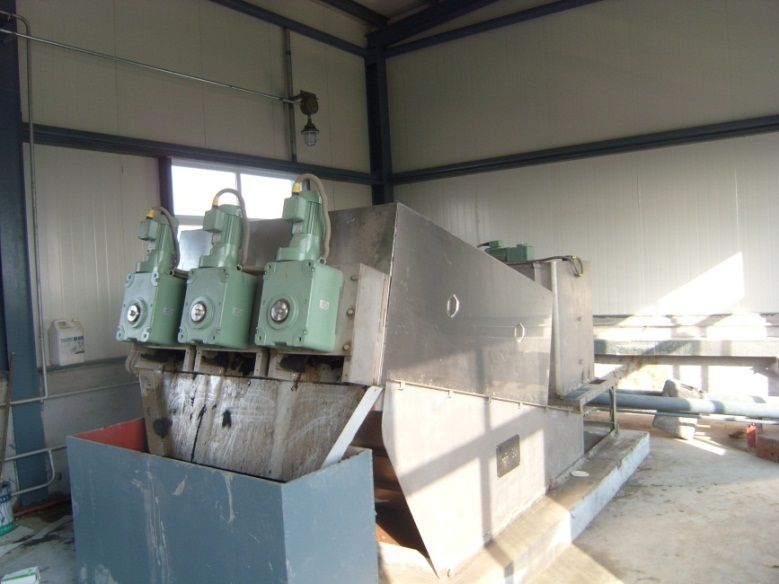
The Multi-Screw Press (MSP) is a dewatering machine developed particularly for oily sludge, where conventional belt and filter presses struggle with cloth blinding.

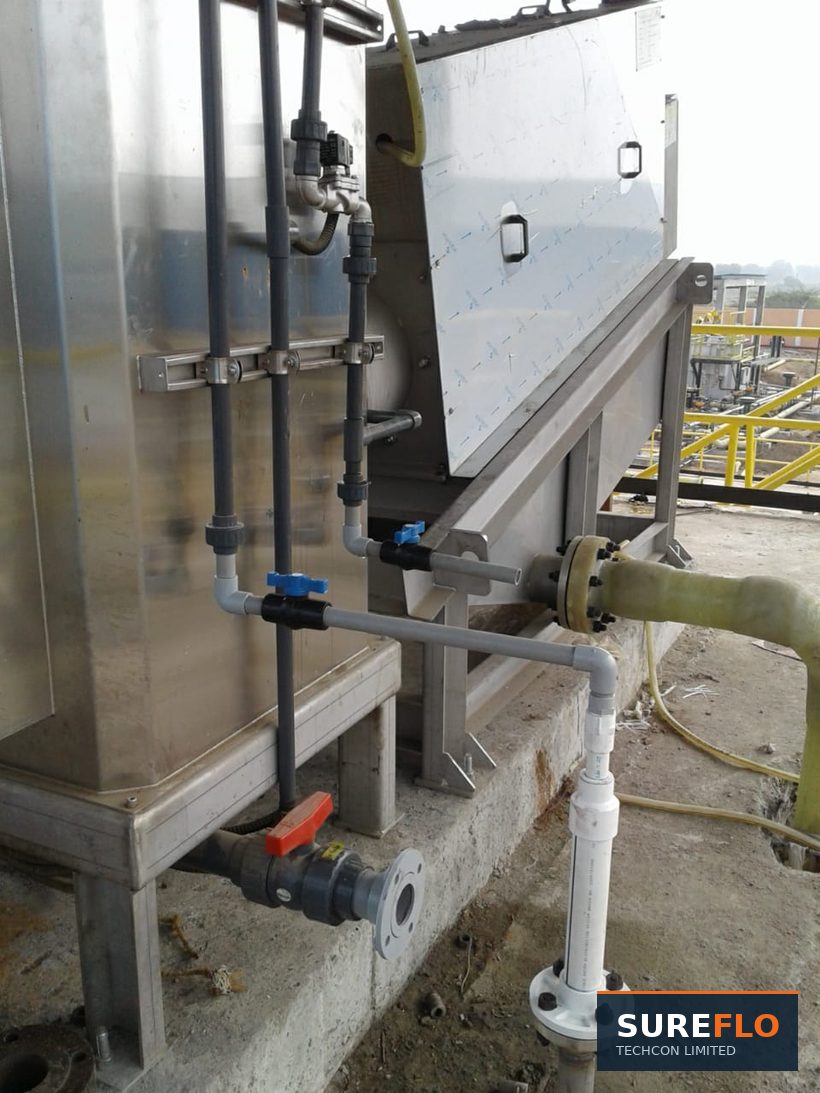
Rather than a press alone, the MSP integrates the full dewatering train into a single package: an automatic control cabinet, a flocculation and conditioning tank, the sludge concentration and dewatering zone, and the filtrate collection tank.

Oily sludge
Low speed
Closed unit
Self-cleaning

WORKING SCHEME

HOW THE MSP DEWATERS

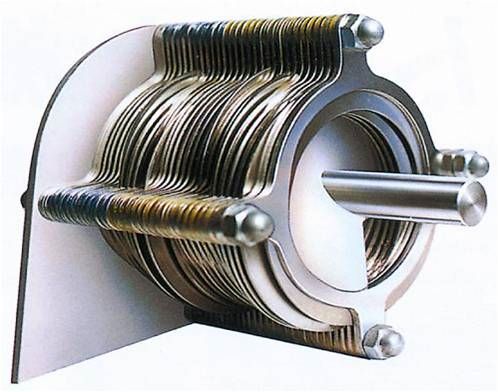
Sludge is conditioned, thickened and pressed in one continuous pass – no intermediate thickener, no batching.
MULTI-SCREW PRESS WORKING SCHEME

FLOCCULATION & CONDITIONING

Feed sludge enters the integral conditioning tank where polymer is dosed and mixed to form stable flocs.

CONCENTRATION

Conditioned sludge passes into the concentration zone, where free water separates before pressing begins.

DEWATERING

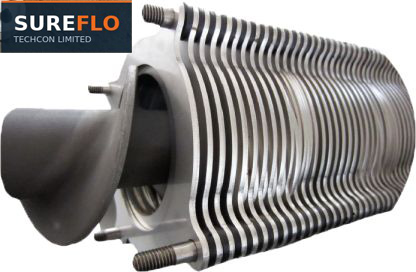
The screw advances the sludge through a progressively narrowing channel. Rising pressure expresses the remaining liquid.

FILTRATE COLLECTION

Separated liquid drains to the integral filtrate tank for return to process or further treatment. Dry cake discharges at the end.

BENEFITS

WHY SPECIFY AN MSP

WIDE SOLIDS RANGE

Handles sludge from low right through to very high solid content, without reconfiguration.

NO THICKENER NEEDED

Conditioning and concentration are built in, so a separate sludge thickener is not required upstream.

AUTOMATIC & CONTINUOUS

Runs continuously under its own control cabinet, with low energy requirements throughout.

COMPACT & CLOSED

Small footprint and a closed unit — useful where space is tight or odour containment matters.

SELF-CLEANING

The moving-ring design continuously clears the filtering gap, reducing clogging and maintenance.

LOW RUNNING COST

Low operating and maintenance cost over the life of the machine.

APPLICATIONS

WHERE THE MSP IS USED

PETROCHEMICAL & REFINERIES

Oily sludge dewatering where high oil content would blind the cloth on a conventional filter press. The primary application for the MSP.

Oily sludge
Refinery

PULP, PAPER & AMYLOID

Fibrous and starch-bearing sludges, where gentle low-speed pressing preserves fibre and avoids shearing the floc.

Fibrous sludge

MUNICIPAL WASTEWATER

Sewage sludge dewatering at STPs, with the closed design helping contain odour in built-up locations.

STP
Municipal

BLUE ALGAE DEWATERING

Algal biomass concentration and dewatering, where the self-cleaning gap handles slippery, high-water-content feed.

Algae
Biomass

SELECTING BETWEEN THEM

MSP OR DECANTER CENTRIFUGE?

Both dewater sludge, and Sureflo builds both. They suit different
duties – here is how we would advise.

CONSIDER THE MULTI-SCREW PRESS

  • Oily sludge that blinds filter cloth
  • Low energy draw is a priority
  • Quiet, low-speed operation needed
  • No separate thickener wanted upstream
  • Compact, closed installation

CONSIDER THE DECANTER CENTRIFUGE

  • Higher throughput required (to 45 m³/hr)
  • Drier cake is the priority
  • 3-phase separation needed (oil / water / solids)
  • Feed characteristics vary widely
  • Continuous heavy-duty refinery service

Send us a sludge analysis and we will recommend the machine that suits the
duty – including trialling both where the choice is genuinely close.


SEND YOUR SLUDGE
CHARACTERISTICS

Feed rate, solids content and oil content are enough for us to size a unit and advise on the right machine.